

The Sambo Uniform, Explained
The kurtka, shorts and sambovki, how the three disciplines differ, and the kit each one requires.
The short version
What is sambo?
Sambo is a Russian martial art and combat sport developed by the Red Army in the 1920s. The name is an acronym of SAMozashchita Bez Oruzhiya, Russian for "self-defence without weapons".
Where sambo came from
Viktor Spiridonov and Vasili Oshchepkov built rival unarmed combat systems in the 1920s, one from military self-defence, the other from judo learned at the Kodokan in Tokyo. Anatoly Kharlampiev merged the two with folk wrestling from across the Soviet republics. The USSR recognised sambo as an official sport on 16 November 1938.
What FIAS approval means
FIAS is the International Sambo Federation, founded in 1984 and governing 106 national federations. It sets the uniform specification: fabric weight, jacket length, sleeve tolerance, seam strength and competition colour. Kit that passes carries a FIAS approval mark, and an official checks yours before you are cleared to compete.
Three components
Why the sambo uniform is different
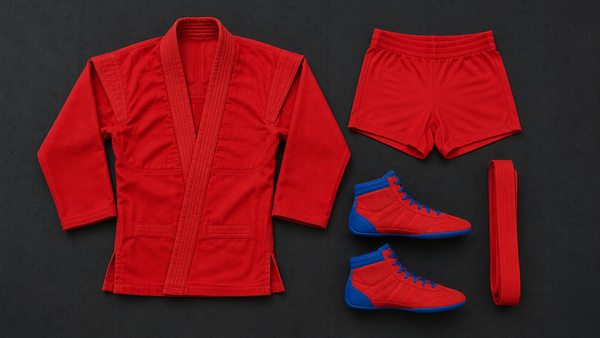
Sambo is fought in a jacket, shorts and boots, an unusual combination among grappling sports. Each piece is built to a FIAS specification, which is why kit from judo, BJJ or karate will not meet it. Here is what each piece does and why.
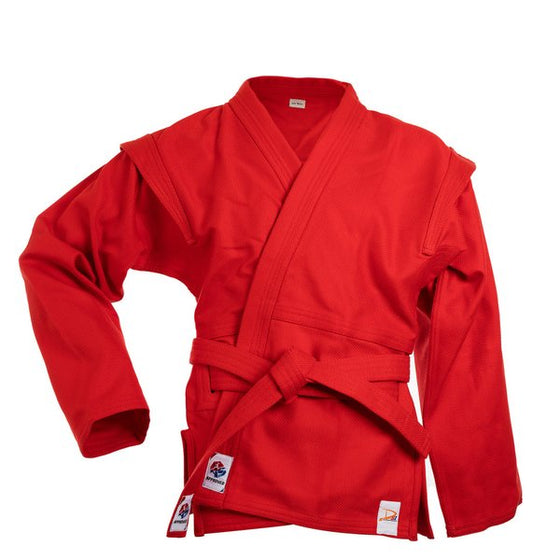
Kurtka
Heavy 500 to 700 GSM canvas, woven to be gripped. Shoulder epaulets are built into the seam so an opponent has something to take hold of, and the belt threads through four slits at the waist rather than wrapping loose.
A judo gi has no epaulets and falls 20 to 30cm longer. A BJJ gi is lighter and cut closer. Neither meets the FIAS specification for competition.
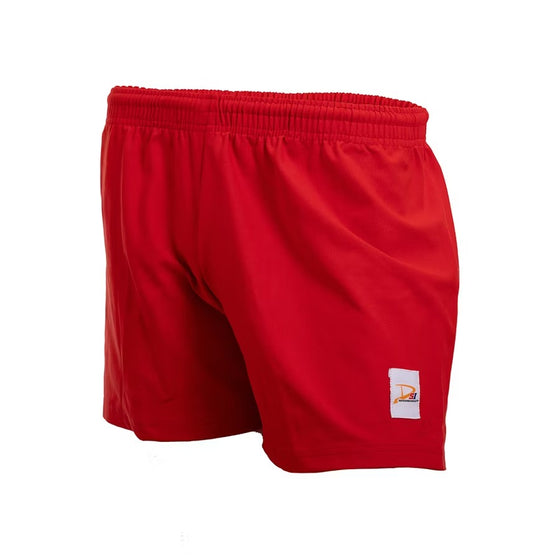
Shorts
Short and close-fitting, cut to stay in place through throws and groundwork. Sport sambo shorts are 100% synthetic with an adjustable drawcord and the seams finished on the inside.
Judo and BJJ are fought in long trousers. Sambo leaves the legs bare because leg grabs and leg locks are legal. Sport sambo bans gripping the shorts, so they are cut slim in synthetic. Combat sambo allows it, so those are heavier and looser.
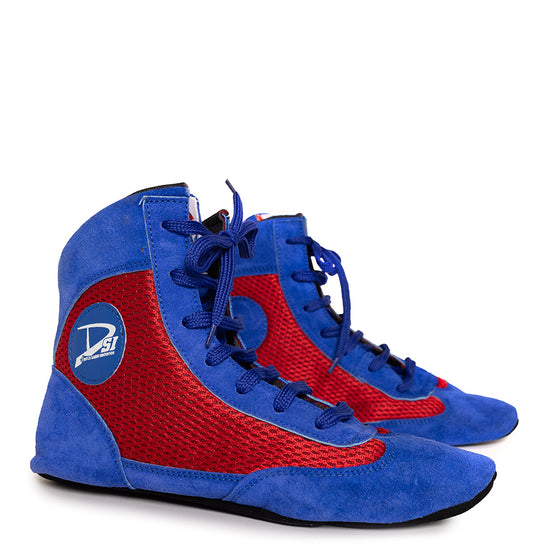
Sambovki
Soft suede boots with a thin sole and a felt ankle pad. The boot top sits 7 to 10cm above the ankle and every seam is closed on the inside.
Judo, BJJ and karate are practised barefoot. Sambo is contested in footwear, and FIAS requires sambovki that combine red and blue on every shoe.
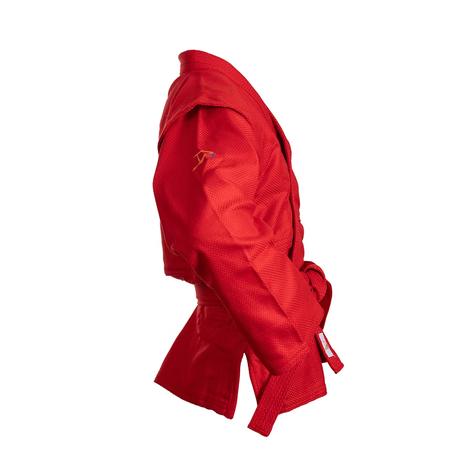
Twice-folded fabric stitched into the shoulder seam, 2 to 3cm at the edges and 5 to 6cm across the middle. They give an opponent a defined grip, so the stitching is reinforced.
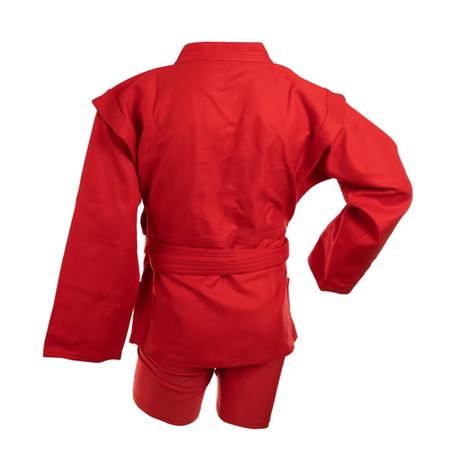
The hem sits at the hip and is reinforced, with side slits running halfway up the jacket. A shorter skirt stays in place where a longer one would ride up.
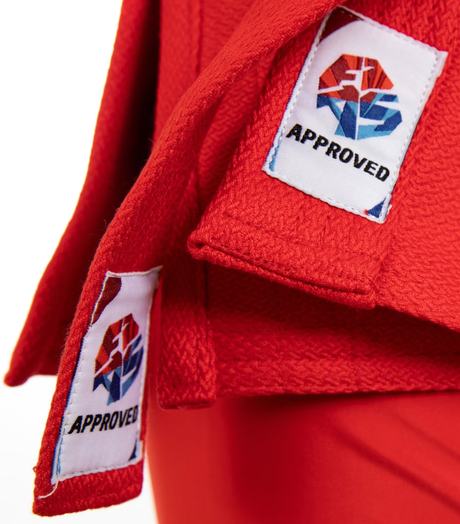
Equipment carrying this mark has been assessed against the FIAS specification and is legal at sanctioned events. Officials check kit before competition, so it is worth confirming before you travel.
Rules and requirements
The three disciplines
Three separate rule sets, not difficulty levels. Each one has its own kit requirements, listed below.
Sport Sambo
- No striking
- No chokes
- Leg locks and groundwork
- Fought on a mat
- Kurtka with belt
- Sport sambo shorts
- Sambovki
- Groin guard optional
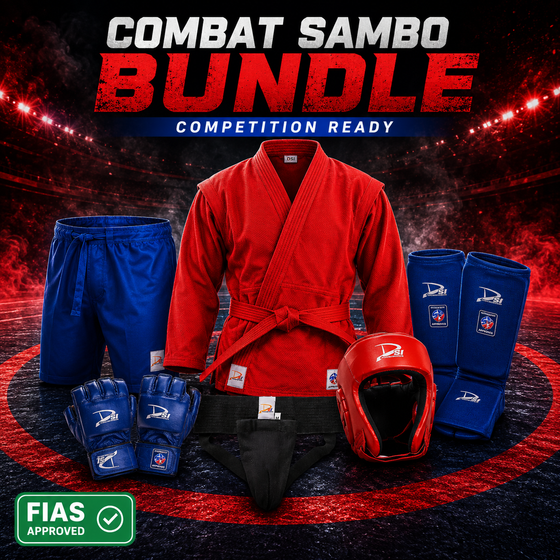
Combat Sambo
- Punches and kicks
- Chokes allowed
- Leg locks and groundwork
- Fought on a mat
- Kurtka with belt
- Combat sambo shorts
- Sambovki
- Gloves, head, shins, groin
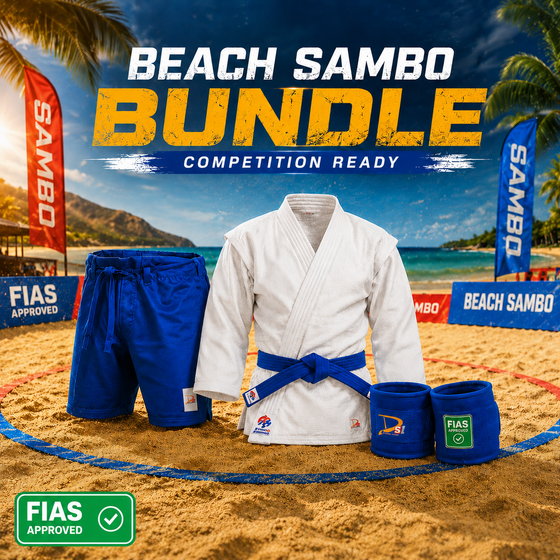
Beach Sambo
- No striking
- No groundwork
- No leg locks
- Fought on sand
- White beach jacket, no belt
- Beach shorts
- Barefoot
- Ankle supports
Complete kits
Every sambo bundle
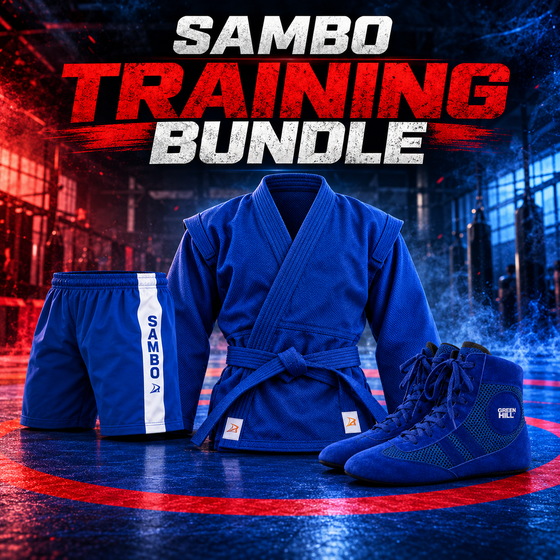
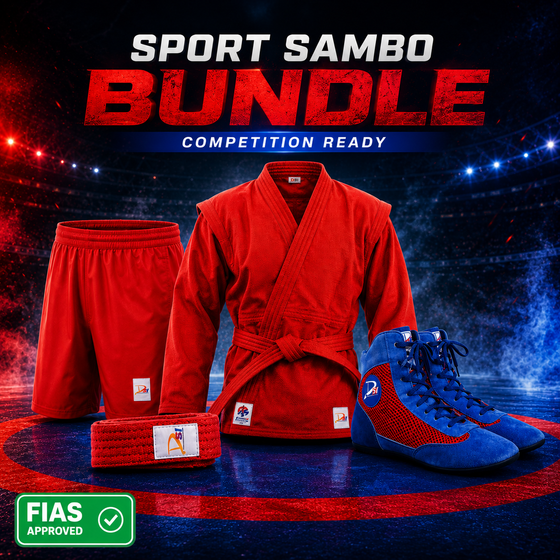
Buying the pieces together costs less than buying them one at a time. Savings shown are against the separate retail prices.
Build your own
Buy individual items
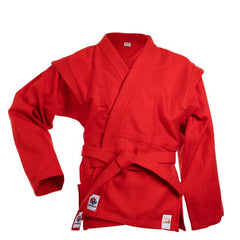
DSI FIAS Sambo Jacket
FIAS-approved kurtka for sanctioned events
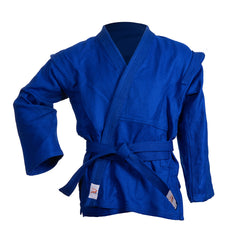
DSI Lightweight Sambo Jacket (Kurtka)
Lightweight training kurtka, belt included
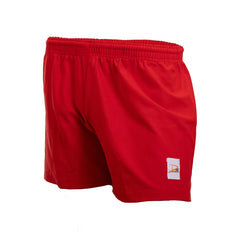
DSI Sport Sambo Shorts
FIAS-approved sport sambo shorts
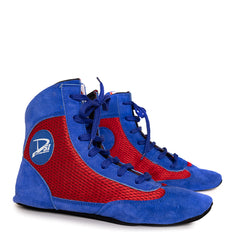
DSI Sambo Shoes
FIAS-approved sambovki
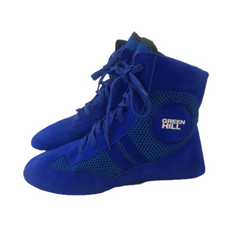
Uni Sambo Shoes FIAS Tested — Green Hill
Lighter suede sambo shoe, FIAS tested
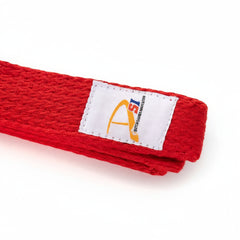
DSI Sambo Belt
FIAS-approved sambo belt
Before you order
Get the size right first time
Sambo kit is sized by height in centimetres rather than S/M/L, so it is worth checking before you order. These two guides cover jackets, shorts and footwear.
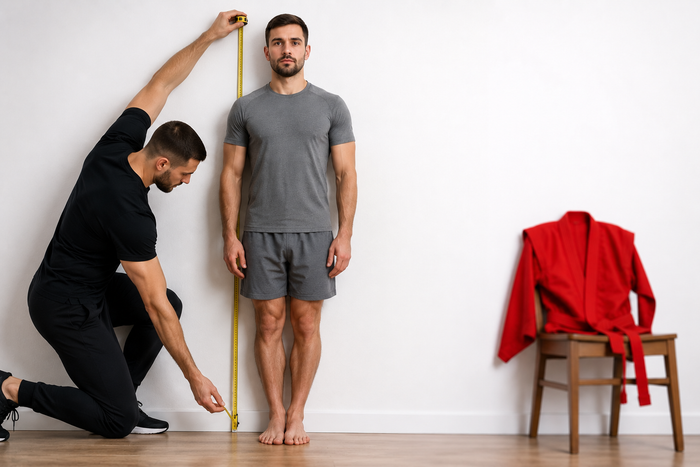
How to Size a Sambo Kurtka: The Fitting Guide Every First-Time Buyer Needs
Sizing a sambo kurtka is not the same as sizing a judo gi, a rashguard, or a boxing shorts. The kurtka is sized primarily by height,...
Read the guide →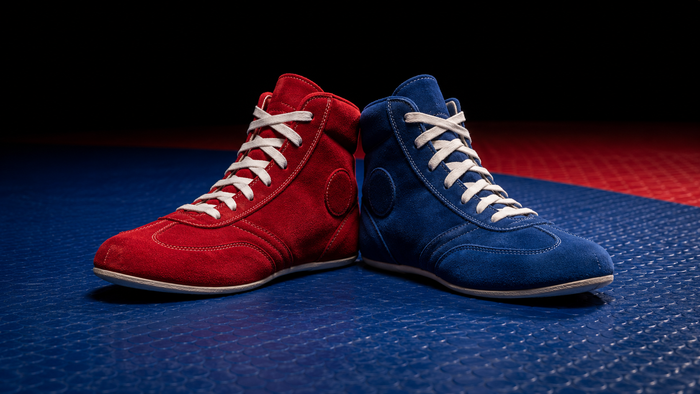
Sambo Shoes Buying Guide
Good Sambo shoes come down to three things: a soft, flexible sole that lets your foot articulate for leg locks and pivots, a snug, sock-like fit...
Read the guide →Kurtkas are sized primarily by height in centimetres, not S/M/L.
Sambo FAQ
Is sambo the same as judo?
No. Sambo allows leg grabs and leg locks, both of which judo bans, while sport sambo bans the choke holds judo permits. Leg locks are legal in both Sport and Combat Sambo. The biggest gear difference is footwear, since sambo is contested in shoes and judo is barefoot.
Can I use a judo gi for sambo competition?
No. A judo gi fails FIAS gear inspection on three grounds: it is too long, it has no shoulder epaulets, and it comes in white or blue rather than the red and blue competition colours FIAS requires. For training, approved gear is not required, so check what your club prefers.
What is the difference between a kurtka and a judo gi?
Length, epaulets and colour. A judo gi falls to mid-thigh or lower while a kurtka ends at the hip, a difference of roughly 20 to 30cm. The kurtka also carries shoulder epaulets for gripping, and competition kurtkas come in red and blue.
Do I need FIAS-approved gear to train?
No. For training only, approved gear is not required. FIAS approval covers fabric weight, sleeve length and seam integrity, and it matters when you enter a sanctioned event.
How do I choose my kurtka size?
Kurtkas are sized primarily by height in centimetres, not S/M/L. Measure your height without shoes and your chest at the widest point, then use the chart on the product page. Sizes do not carry across from a judo gi, so check against the chart rather than converting.
Do I need both a red and a blue kurtka?
For FIAS-sanctioned competition athletes are assigned a colour, and competition kurtkas are made in red and blue for that reason. Confirm what your event requires with your coach or federation.
What does FIAS stand for?
FIAS is the International Sambo Federation, Federation Internationale de SAMBO. Founded in Madrid in June 1984, it governs sambo worldwide across 106 national federations, writes the competition rules for Sport, Combat and Beach Sambo, and sets the uniform specification that equipment must pass to be legal at a sanctioned event.
Is sambo an Olympic sport?
Not yet. FIAS received provisional recognition from the International Olympic Committee in 2018 and full IOC recognition in July 2021, but sambo has not been added to the Olympic programme. Full recognition is the step that makes future inclusion possible.
Go deeper
Related guides
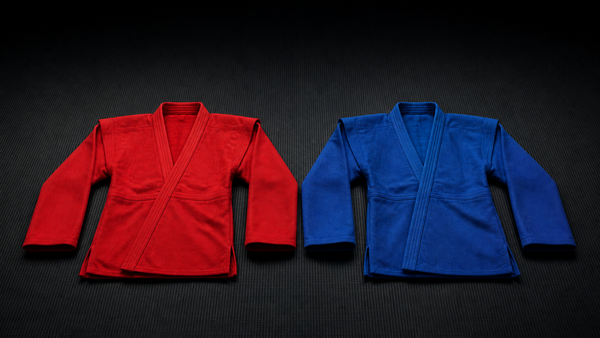
Sambo Jacket Buying Guide: DSI vs Green Hill, Which Is Right for You?
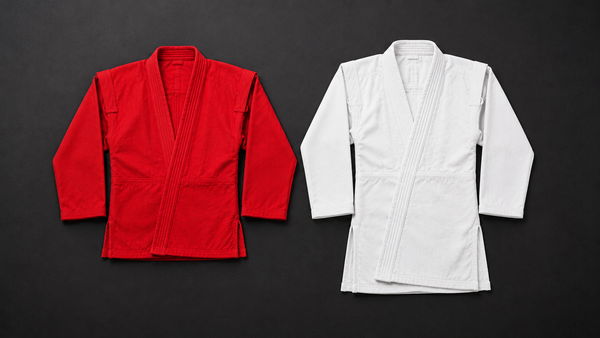
Can You Use a Judo Gi for Sambo Competition? The Answer Every Judo Athlete Needs
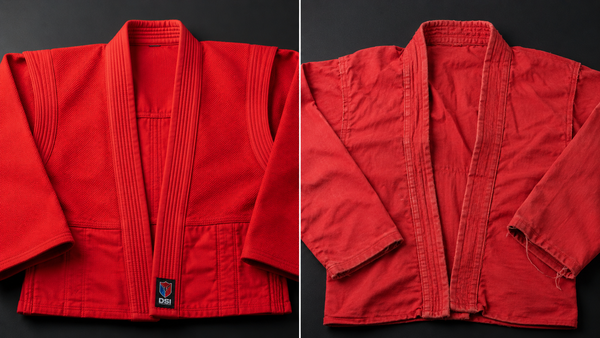
Why FIAS-Approved Gear Matters: DSI vs Generic Sambo Equipment
How to Build Your First Sambo Kit in Australia: Sport, Combat and Beach Sambo Explained
Not sure what you need?
Tell us the discipline and we will tell you the kit.
Shop sambo bundles →Or call Nick direct on 1800 223 361